
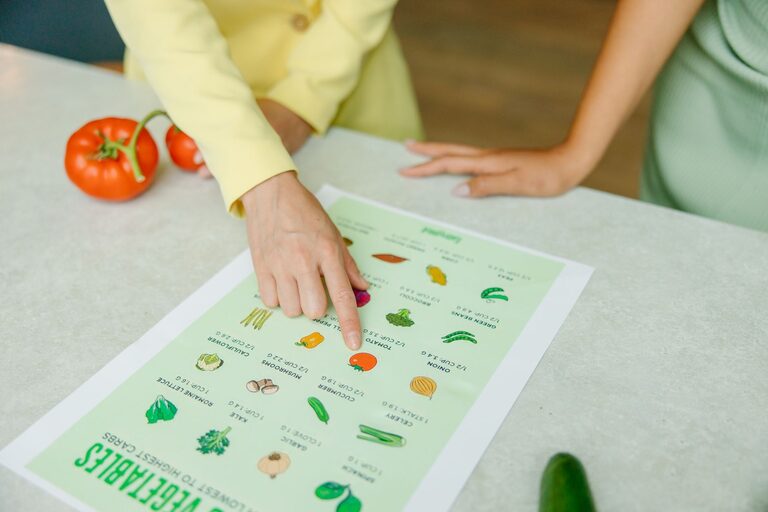
Planning meals for the week can make cooking easier, reduce last-minute decisions, and help you use the groceries you already have. A good meal plan does not need to be complicated. With a few simple steps, you can create a flexible schedule that fits your time, budget, and preferences.
Start With Your Schedule
Before choosing recipes, look at the week ahead. Your schedule should guide your meal plan.
Check for:
– Busy workdays
– School or family activities
– Evenings when you will be home late
– Plans to eat at a restaurant
– Guests or special occasions
– Days when you have more time to cook
Plan quick meals for busy evenings and save longer recipes for days when you have more time. You also do not need to plan a completely different dinner for every night. Leftovers, simple combinations, and repeat meals can make the week easier.
For example, you might plan:
– Sunday: A larger cooked meal
– Monday: Leftovers
– Tuesday: A quick skillet meal
– Wednesday: Soup or sandwiches
– Thursday: Pasta or rice bowls
– Friday: Homemade pizza or a relaxed meal
– Saturday: A recipe that takes more time
Take Inventory Before Shopping
Look through your refrigerator, freezer, and pantry before making a grocery list. This helps prevent duplicate purchases and gives you a starting point for your meals.
Make a quick note of:
– Fresh vegetables and fruit
– Eggs, dairy, or other refrigerated foods
– Frozen ingredients
– Rice, pasta, grains, and bread
– Canned beans, tomatoes, and vegetables
– Sauces, spices, and cooking oils
– Ingredients that need to be used soon
Try building one or two meals around foods you already have. For instance, leftover vegetables can become part of a pasta dish, grain bowl, soup, or omelet. A can of beans can work in tacos, salads, chili, or a simple rice dish.
Choose a Simple Meal Structure
A weekly plan is easier to follow when each meal includes a few basic elements. You can mix and match ingredients instead of relying on a new recipe every day.
A balanced meal often includes:
– A protein source, such as beans, eggs, chicken, fish, tofu, or lentils
– A vegetable or fruit
– A starch or grain, such as potatoes, rice, pasta, bread, or tortillas
– A sauce, seasoning, or topping for flavor
This structure works for many types of meals. A grain bowl might include rice, roasted vegetables, beans, and salsa. Tacos could include seasoned chicken or lentils, cabbage, cheese, and tomatoes. Pasta can be combined with vegetables, beans, or cooked meat and a simple sauce.
The goal is not to make every meal perfect. The goal is to create combinations that are practical and enjoyable.
Plan Around Flexible Ingredients
Choose ingredients that can be used in more than one meal. This reduces food waste and makes your grocery list shorter.
For example, you could use:
– Roasted vegetables in dinner, wraps, and lunches
– Cooked rice with stir-fry, bowls, or fried rice
– Shredded chicken in tacos, salads, and sandwiches
– Fresh herbs in pasta, soups, and grain bowls
– A tomato sauce for pasta, pizza, and baked vegetables
– Tortillas for breakfast wraps, quesadillas, and tacos
You can also select one or two “base” ingredients to prepare in advance. Cook a batch of rice, wash salad greens, chop vegetables, or prepare a simple sauce. These small tasks can save time during the week without requiring a full day of meal preparation.
Create a Seven-Day Meal Plan
Use a calendar, notebook, spreadsheet, or meal-planning app. Write down the main meal for each day, then add breakfast, lunch, and snacks if needed.
A simple weekly example might look like this:
Breakfasts
– Oatmeal with fruit and nuts
– Yogurt with granola
– Eggs and toast
– Smoothies
– Breakfast burritos prepared in advance
Lunches
– Leftovers from dinner
– Bean and cheese wraps
– Pasta salad
– Vegetable soup with bread
– Tuna, chicken, or chickpea salad
Dinners
– Roasted chicken or tofu with vegetables and potatoes
– Black bean tacos
– Pasta with tomato sauce and vegetables
– Stir-fried rice with eggs and mixed vegetables
– Homemade pizza with a side salad
– Lentil soup with bread
– Leftovers or a simple pantry meal
Do not fill every day with a detailed recipe if that feels overwhelming. You can write “leftovers,” “sandwiches,” or “use what is available” for one or two meals.
Build a Practical Grocery List
Once your meals are selected, organize your grocery list by section. This makes shopping faster and helps you avoid forgetting key ingredients.
Produce
List fruits, vegetables, fresh herbs, and salad ingredients.
Protein and Refrigerated Foods
Include eggs, cheese, yogurt, tofu, chicken, fish, beans, or other ingredients you plan to use.
Pantry
Add grains, pasta, bread, canned foods, sauces, spices, oils, and baking items.
Frozen Foods
Frozen vegetables, fruit, or prepared ingredients can be useful for quick meals and are often easy to keep on hand.
Review your list and remove items you already have. Then consider whether each ingredient will be used in more than one meal. If not, ask whether there is a smaller package or a substitute that would work better.
Keep Preparation Manageable
Meal planning does not mean cooking everything at once. Choose a preparation level that fits your routine.
You could:
– Cook one large batch of a grain
– Chop vegetables for two or three meals
– Prepare a sauce or dressing
– Wash fruit and salad greens
– Portion leftovers into containers
– Cook one main dish for the first few days
Store prepared foods in clean, covered containers and label them when helpful. Place foods you plan to use soon where they are easy to see. If you are unsure how long a prepared food will keep, check the package instructions or a reliable food safety resource.
Add Flexibility to the Plan
A meal plan should support your week, not create extra pressure. Leave room for changes. You may have unexpected plans, extra leftovers, or less energy than expected.
Use a few backup meals that require little preparation, such as:
– Scrambled eggs and toast
– Pasta with jarred sauce
– Grilled cheese and soup
– Rice and beans
– Frozen vegetables with noodles
– Sandwiches and fresh fruit
You can also switch meals between days. If Tuesday becomes busy, move the quick meal to that evening and save the longer recipe for later.
Review the Week
At the end of the week, take a few minutes to review what worked. Ask yourself:
– Which meals were easy to prepare?
– Did you buy more food than you used?
– Were the portions practical?
– Which ingredients were especially useful?
– What would you change next week?
Use these notes to improve your next plan. Over time, you will develop a collection of reliable meals and a better understanding of how much food your household uses.
A simple weekly meal plan is not about following a strict schedule. It is a tool for making everyday cooking more organized. Start with your schedule, use ingredients in several ways, and leave space for flexibility. With a little practice, planning meals can become a quick weekly habit that saves time and makes grocery shopping easier.