
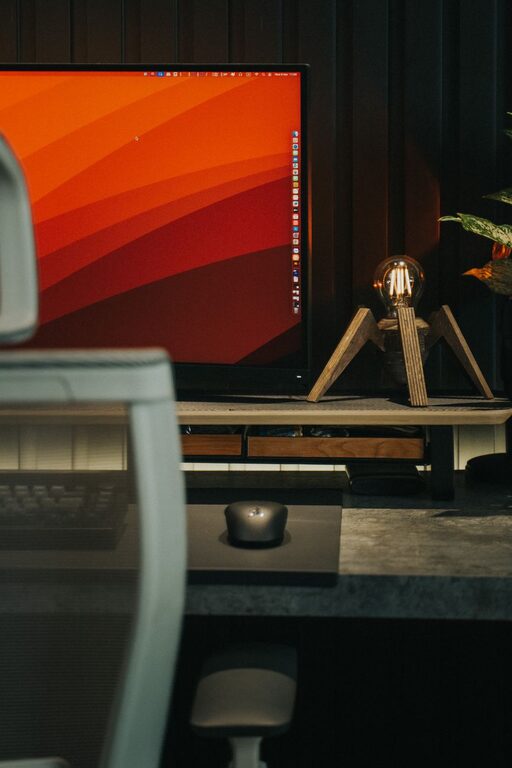
Working from home offers flexibility, but it can also make it harder to concentrate. Household tasks, notifications, family activity, and an informal work environment can quickly interrupt your attention.
The good news is that better focus does not require a perfect home office or a complicated productivity system. Small changes to your workspace, schedule, and daily habits can make it easier to stay engaged and complete important tasks.
Create a Workspace That Supports Focus
Your surroundings can influence how easily you concentrate. A dedicated workspace helps create a clear boundary between work time and personal time, even if you do not have a separate office.
Choose a spot with:
– A comfortable chair and a stable work surface
– Good lighting, preferably near a window
– Limited background noise
– Enough room for your computer and essential supplies
– Reliable internet access and power
If you share your home with others, let them know when you need quiet time. A closed door, desk sign, or agreed-upon schedule can help communicate that you are working.
Keep your desk reasonably tidy. A crowded workspace may make it harder to find what you need and can create unnecessary distractions. At the end of the day, spend a few minutes putting away unused items so you can begin the next morning with a clean surface.
Start the Day With a Simple Plan
A clear plan makes it easier to decide what deserves your attention. Before beginning work, identify the tasks that matter most.
Try writing down:
- The most important task of the day
- Two or three smaller tasks
- Any meetings or fixed commitments
- A realistic finishing time
Avoid creating an overly long to-do list. A list with too many items can feel overwhelming and may encourage you to switch between tasks. Focus on the work that has the greatest value or the closest deadline.
You can also divide larger projects into smaller actions. Instead of writing “finish the report,” list steps such as “review the notes,” “outline the main points,” and “write the first section.” Smaller steps are easier to begin and help you see progress.
Use Focus Blocks
Focus blocks are planned periods for working on one task without unnecessary interruptions. They can be as short as 25 minutes or as long as 90 minutes, depending on the type of work and your energy level.
During a focus block:
– Choose one specific task
– Close unrelated browser tabs
– Silence nonessential notifications
– Keep a notepad nearby for distracting thoughts
– Avoid checking email until the block ends
When the time is up, take a short break. Stand up, stretch, get water, or look away from your screen. A brief pause can help you return to work with renewed attention.
There is no single ideal work interval. Test different lengths and notice what works best for you. Detailed work may require longer blocks, while routine tasks may fit comfortably into shorter periods.
Reduce Digital Distractions
Digital interruptions can break your concentration even when they take only a few seconds. After an alert, it may take much longer to fully return to the original task.
Review your notification settings and turn off alerts that are not essential. Consider using:
– Do not disturb mode during focus periods
– Separate browser profiles for work and personal browsing
– Website limits for distracting services
– A single app for task lists and reminders
– Email check-in times instead of constant monitoring
If your job requires frequent communication, set expectations with your team. Let coworkers know when you are available for quick questions and when you are focusing on work that requires uninterrupted attention.
Manage Email and Messages Intentionally
Email and chat tools can easily fill the entire day if you respond to every message as soon as it arrives. Instead, group communication tasks into a few planned periods.
For example, you might check messages:
– At the beginning of the workday
– Around midday
– Before finishing work
During these check-ins, handle quick replies and mark more complex requests for later. Use clear subject lines, short messages, and organized folders to make communication easier to manage.
If a message requires deep thought, move it to your task list rather than trying to solve it between other activities. This prevents your inbox from becoming a constant source of unfinished work.
Establish a Consistent Routine
A predictable routine helps your mind shift into work mode. Try to wake up, begin work, take breaks, and finish for the day at roughly consistent times.
A morning routine could include:
– Getting dressed in work-appropriate clothing
– Eating a simple breakfast
– Reviewing your priorities
– Taking a short walk or doing light movement
– Starting with a clearly defined task
You do not need to copy an office schedule exactly. The goal is to create a pattern that signals when work begins and when it ends.
A short transition ritual can also be useful. Making coffee, reviewing your calendar, or taking a brief walk before sitting down can help separate personal time from work time.
Take Real Breaks
Breaks are part of focused work, not a sign that you are wasting time. Remaining at your desk for hours without pausing can lead to tiredness and lower-quality decisions.
During a break, try to step away from your computer. You could:
– Stretch or walk around the room
– Prepare a drink
– Open a window
– Do a quick household task
– Spend a few minutes outside
Avoid filling every break with social media or other highly distracting activities. These can make it harder to return to your work. Keep breaks short, refreshing, and separate from your main tasks.
Set Boundaries Around Home Tasks
Household chores can become tempting interruptions, especially when they are visible from your workspace. Decide in advance when you will handle personal tasks.
For example, you might reserve a short period before work, during lunch, or after finishing for the day for laundry, dishes, and errands. Write these tasks down if they come to mind while you are working, then return to your current task.
A written note can reassure you that the task will not be forgotten without forcing you to deal with it immediately.
Use End of Day Habits
A clear end-of-day routine helps you stop working and prepare for the next day. Before leaving your workspace:
– Review what you completed
– Move unfinished tasks to tomorrow’s list
– Note any important follow-ups
– Close work applications
– Tidy your desk
This short review gives you a sense of closure and reduces the need to keep thinking about work during personal time.
Improve Focus One Habit at a Time
Better focus is built through repeated, manageable choices. Start by changing one or two things, such as turning off notifications or planning your top priorities each morning. Once those habits feel natural, add another improvement.
Pay attention to when and where you work best. You may find that demanding tasks are easier in the morning, while routine work fits better in the afternoon. Use that information to organize your schedule around your natural working patterns.
With a suitable workspace, a realistic plan, fewer interruptions, and regular breaks, working from home can become more focused and manageable.