
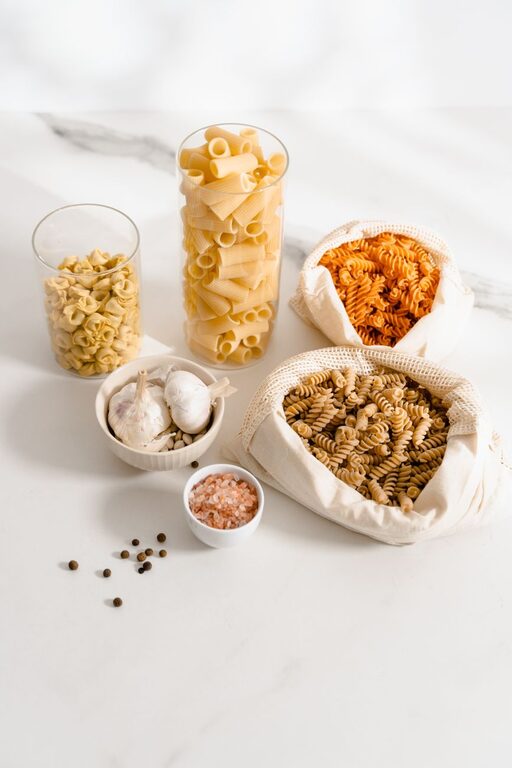
Why Pantry Meal Planning Works
Planning meals from pantry staples makes cooking easier, especially on busy days. Instead of starting with a recipe and buying every ingredient, you begin with what you already have. This approach can save shopping time, reduce food waste, and help you make practical use of shelf-stable foods.
A well-planned pantry meal does not need to be complicated. With a few basic ingredients, simple seasonings, and a flexible recipe idea, you can prepare soups, pasta dishes, grain bowls, casseroles, and skillet meals without a special trip to the store.
The key is to think in categories rather than fixed recipes. Once you know how to combine pantry staples with fresh or frozen ingredients, you can create many different meals from the same basic supplies.
Take Stock of Your Pantry
Before planning meals, spend a few minutes checking what you have. Group similar items together so they are easy to see and use.
Look for these common pantry categories:
– Grains such as rice, pasta, oats, couscous, and quinoa
– Canned foods such as beans, tomatoes, corn, and tuna
– Dried foods such as lentils, split peas, and breadcrumbs
– Jarred foods such as pasta sauce, salsa, and olives
– Cooking basics such as oil, vinegar, flour, and broth
– Flavor boosters such as spices, herbs, soy sauce, and mustard
Also check the refrigerator and freezer. Fresh onions, carrots, eggs, cheese, and leafy greens can turn a simple pantry combination into a complete meal. Frozen vegetables, cooked meat, and bread are also useful additions.
As you take stock, note items that need to be used soon. Place older products toward the front and newer items behind them. This simple “first in, first out” habit helps prevent forgotten food from sitting unused.
Build Meals Around a Simple Formula
A useful way to plan is to build each meal from four parts:
- **A base:** rice, pasta, potatoes, bread, oats, or another grain
- **A protein:** beans, lentils, eggs, canned fish, peanut butter, or leftover meat
- **A vegetable or fruit:** fresh, frozen, canned, or dried
- **A sauce or seasoning:** tomato sauce, broth, salsa, curry powder, herbs, or a simple oil-and-vinegar dressing
You do not need all four parts in equal amounts, and some meals may use only three. The formula is simply a guide for creating balanced, flavorful combinations.
For example, combine rice, black beans, canned tomatoes, and spices for a quick skillet meal. Mix pasta with canned tuna, frozen peas, and a light sauce. Add oats, peanut butter, and dried fruit for an easy breakfast.
Choose Flexible Meal Types
Instead of planning seven completely different recipes, choose a few meal formats that can use many ingredients. This makes your plan easier to adjust when you run out of an item or discover something that needs to be used.
One-Pot Meals
One-pot meals are useful when you want less cleanup. Combine grains, canned vegetables, beans, broth, and seasonings in a pot or Dutch oven. Rice and beans, lentil soup, and tomato pasta are simple examples.
Start with ingredients that need the longest cooking time, such as dried lentils or rice. Add quicker-cooking foods later so they keep their texture.
Pasta Dishes
Pasta is a dependable pantry staple because it pairs well with many ingredients. Use tomato sauce, canned tomatoes, olive oil, pesto, or broth as a base. Add beans, canned fish, frozen vegetables, or leftover chicken for extra variety.
For a simple meal, cook pasta and toss it with canned tomatoes, garlic, dried herbs, and white beans. A handful of frozen spinach can add color and texture.
Grain Bowls
Grain bowls are easy to customize. Start with rice, quinoa, couscous, or another grain. Add a protein, vegetables, and a topping or sauce.
Salsa, soy sauce, tahini, peanut sauce, and vinaigrettes can give the same basic ingredients different flavors. This makes grain bowls a practical way to use leftovers.
Soups and Stews
Soups are ideal for combining small amounts of several ingredients. Use broth or canned tomatoes as the liquid, then add beans, lentils, grains, vegetables, and seasonings.
If a soup tastes flat, adjust it with salt, pepper, herbs, vinegar, lemon juice, or a small amount of hot sauce. Add these gradually and taste as you go.
Casseroles and Bakes
Casseroles can turn pantry and refrigerator leftovers into a complete meal. Combine cooked rice or pasta with vegetables, beans, canned soup, tomato sauce, or cheese. Add breadcrumbs on top for texture, then bake until hot and lightly browned.
Plan by Ingredient Overlap
When creating a weekly plan, choose meals that share ingredients. This reduces the number of items you need to buy and makes leftovers easier to use.
For example, a single package of rice can serve as the base for:
– Rice and beans with salsa
– Fried rice with frozen vegetables and eggs
– A chicken or vegetable grain bowl
– Rice pudding with cinnamon and dried fruit
A jar of tomato sauce can be used for pasta, soup, pizza toast, or a baked casserole. Canned beans can be added to salads, tacos, soups, wraps, and skillet meals.
Ingredient overlap also helps you avoid buying a long list of one-time-use products. Keep a short list of versatile ingredients that work across several meals.
Create a Simple Weekly Plan
A pantry-based meal plan does not have to assign a specific dish to every day. A flexible outline may work better:
– Two quick meals for busy evenings
– One soup or stew
– One pasta or grain-based dish
– One meal that uses leftovers
– One easy breakfast-for-dinner option
– One open day for takeout, leftovers, or improvising
Write down the main ingredients for each meal and identify anything missing. Keep the shopping list focused on fresh items, favorite flavor additions, and products needed to complete several dishes.
It can also help to prepare a few ingredients in advance. Cook a batch of rice, wash vegetables, boil eggs, or portion beans into containers. These small steps make meals faster during the week.
Keep Flavor Interesting
Pantry meals can become repetitive if every dish uses the same seasoning. Rotate flavors to create variety.
Try these combinations:
– Italian-inspired: tomato sauce, garlic, basil, oregano, and Parmesan
– Southwestern-inspired: beans, corn, salsa, cumin, chili powder, and rice
– Mediterranean-inspired: chickpeas, olives, lemon, oregano, and olive oil
– Asian-inspired: rice, soy sauce, ginger, sesame oil, and vegetables
– Warm and savory: broth, lentils, carrots, thyme, and black pepper
You can also change the texture. Add toasted breadcrumbs, seeds, crushed crackers, chopped nuts, or fresh herbs when available.
Use Leftovers Intentionally
Leftovers are easier to use when you plan them into the next meal. Cook extra rice for fried rice, extra vegetables for soup, or extra beans for wraps and salads.
Store leftovers in clearly labeled containers and place them where they are easy to see. When planning the next day’s meals, check the refrigerator before opening a new package or starting a new recipe.
If you have small amounts of several ingredients, combine them in a soup, casserole, frittata, fried rice dish, or pasta bowl. These meals are forgiving and can accommodate many substitutions.
Start With What You Have
The best pantry meal plan is practical, flexible, and easy to repeat. Begin by taking inventory, choose a few versatile meal formats, and build dishes around ingredients that can be used in more than one way.
You do not need a perfectly stocked pantry or a detailed schedule. A basic formula, a short shopping list, and a willingness to substitute can help you prepare satisfying meals with less effort. Over time, you will learn which staples your household uses most and can adjust your pantry to match your routine.