
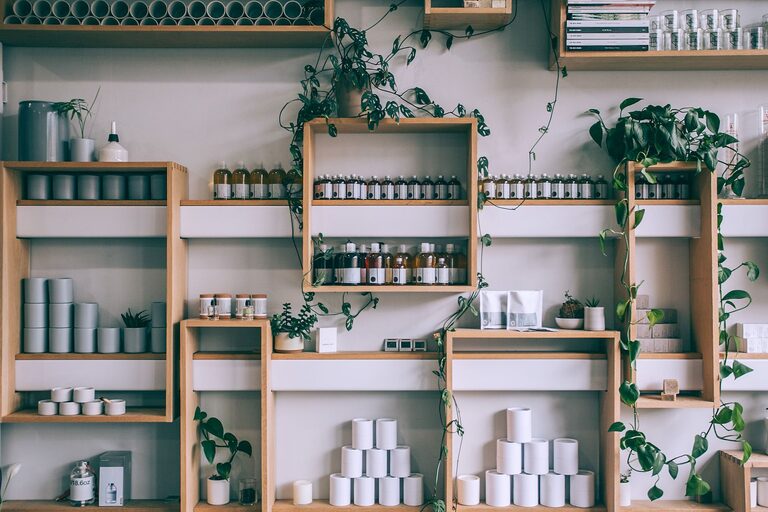
Small spaces can feel comfortable and inviting, but they become difficult to manage when every surface is covered and storage is limited. The solution is not always to own fewer things. Often, it is about using overlooked areas, choosing flexible furniture, and creating a clear place for everything.
The best small-space storage ideas are simple, practical, and easy to maintain. Use these strategies to make your home feel more organized without making it feel crowded.
Start by Finding Unused Space
Before buying storage products, look around your home for areas that are not being used effectively. Small homes often have more storage potential than expected.
Check these commonly overlooked spots:
– The space under the bed
– The backs of doors
– Empty wall sections
– The tops of cabinets
– Corners and narrow gaps
– The area above a desk or toilet
– The space beneath stairs
– The inside of closets and cabinet doors
Measure each area before choosing a storage solution. A few minutes with a tape measure can prevent the frustration of buying containers or furniture that do not fit.
Use Vertical Storage
When floor space is limited, look up. Vertical storage uses wall height instead of valuable walking space and can make a room feel more open.
Install Floating Shelves
Floating shelves are useful in nearly every room. Place them above a desk for office supplies, above a kitchen counter for dishes, or beside a bed for books and small personal items.
Keep frequently used items on lower shelves and decorative or occasional items higher up. To prevent shelves from looking cluttered, group similar objects together and leave some open space between them.
Try a Tall Bookcase
A tall, narrow bookcase often provides more storage than a short, wide unit while taking up less floor area. Use baskets or boxes on the lower shelves to hide small items, and reserve the upper shelves for books, plants, or display pieces.
Choose a bookcase that reaches close to the ceiling if possible. Tall furniture can draw the eye upward and make good use of otherwise wasted wall space.
Make the Most of the Entryway
A small entryway can quickly become crowded with shoes, bags, coats, and keys. A few carefully chosen storage features can keep this high-traffic area under control.
Install wall hooks for coats, hats, and everyday bags. Add a narrow shoe cabinet or a small bench with hidden storage underneath. If there is no room for a cabinet, use a slim shoe rack that fits along one wall.
A small tray or wall-mounted organizer can hold keys, sunglasses, and mail. Give each person in the home a designated hook or basket to make daily cleanup easier.
Choose Furniture With Built-In Storage
Furniture that serves more than one purpose is especially valuable in a small home. Look for pieces that combine everyday use with hidden or extra storage.
Useful options include:
– Ottomans with lift-up lids
– Beds with drawers underneath
– Benches with interior compartments
– Coffee tables with shelves
– Desks with built-in drawers
– Sofas with storage in the base
– Nightstands with multiple shelves
Before purchasing multifunctional furniture, consider how often you will use the storage. A storage bench is helpful when it holds items you need regularly, but it may not be practical if the lid is difficult to open or the contents are hard to reach.
Maximize Closet Space
Closets often become disorganized because they are used for more than clothing. Start by removing items that no longer fit, are damaged, or are rarely used. Then organize the remaining items by category.
A few simple closet upgrades can create more room:
– Add a second hanging rod for shorter clothes
– Use slim, matching hangers
– Install shelf dividers
– Add hanging organizers
– Store seasonal items in labeled bins
– Place shoes on a rack or in clear boxes
– Use hooks on the inside of the closet door
Keep everyday clothing at eye level and move seasonal or occasional items to higher shelves. Label containers so you can find what you need without opening every box.
Use the Back of Every Door
Doors offer hidden storage without taking up floor space. Over-the-door organizers are available in many styles for different rooms.
In the bathroom, use one to store hair tools, toiletries, or cleaning supplies. In the pantry, use a door rack for spices, snacks, and small cooking tools. In a bedroom, a door organizer can hold accessories, shoes, or folded items.
For a cleaner appearance, choose a style that matches the room and avoid overloading it. Too much weight can make the door difficult to close and may damage the hinges.
Improve Kitchen Storage
Small kitchens benefit from storage that keeps counters clear and makes supplies easy to reach.
Use a magnetic strip for lightweight metal tools, such as measuring spoons or kitchen scissors. Add hooks beneath cabinets for mugs or utensils. A rolling cart can provide extra storage and can be moved when more workspace is needed.
Inside cabinets, use shelf risers to create additional levels. Lazy Susans work well for oils, sauces, and other items that tend to disappear at the back of a shelf. Narrow pullout organizers can make use of gaps beside appliances or cabinets.
Try to store the items you use most often in the easiest-to-reach places. This reduces clutter because you are less likely to leave frequently used items on the counter.
Create Storage in the Bathroom
Bathrooms usually have limited cabinets, so use the walls and the space beneath the sink.
Add a slim shelf above the toilet, but avoid filling it with too many small products. A few baskets can keep extra toiletries together and make the shelf look organized. Under-sink storage can be improved with stackable bins, small drawers, or adjustable shelves.
Use adhesive hooks carefully for lightweight items such as brushes or washcloths. Keep cleaning supplies in a separate, clearly labeled container so they do not get mixed with personal care products.
Store Items Under the Bed
The space beneath the bed is ideal for items that are used occasionally. Use shallow containers with lids to protect clothing, bedding, shoes, or luggage from dust.
Choose containers with handles or wheels so they are easy to pull out. Label each one on more than one side, especially if the bed is against a wall. If your bed has no clearance, consider risers or a bed frame with built-in drawers.
Avoid placing fragile items or anything you need every day under the bed. The best storage is accessible enough that you will actually use it.
Keep Small Items Under Control
Tiny items create a surprising amount of clutter. Cords, office supplies, cosmetics, and hardware are easier to manage when they are grouped by purpose.
Use small boxes, drawer dividers, or labeled pouches to separate these items. A simple rule can help: keep similar things together and give each category one container. When the container is full, review the contents before adding another one.
Clear containers are useful when you need to see what is inside. Opaque baskets create a neater appearance when you prefer to hide everyday clutter.
Use a One In, One Out Rule
Storage solutions work best when they are combined with regular editing. For certain categories, use a one in, one out rule: when you bring home a new item, remove an old one.
This works well for clothing, shoes, kitchen tools, books, and children’s items. The goal is not to create a strict system for everything. It is simply a way to prevent storage areas from slowly becoming overfilled.
Set aside a few minutes each month to check high-use areas. Return misplaced items, recycle unnecessary papers, and donate things that are no longer useful.
Make Storage Part of the Design
Good storage should support your daily routine and fit naturally into your home. Choose furniture and containers that match your style, but prioritize accessibility and function.
The most effective small-space storage systems are easy to use, easy to see, and easy to maintain. By combining vertical storage, multifunctional furniture, smart organizers, and regular decluttering, you can create a home that feels calmer and works better—without adding more square footage.